
Q&A: Dr. Letetia Addison, 2024 AI Innovation Grand Challenge Winning Team Leader
Pete Harris
A team from Trinidad and Tobago led by Dr. Letetia Addison won the Grand Prize at the 2024 AI Innovation Grand Challenge. She received the prize at an award ceremony held during the UN Climate Change Conference (COP29) in Baku, Azerbaijan last month.
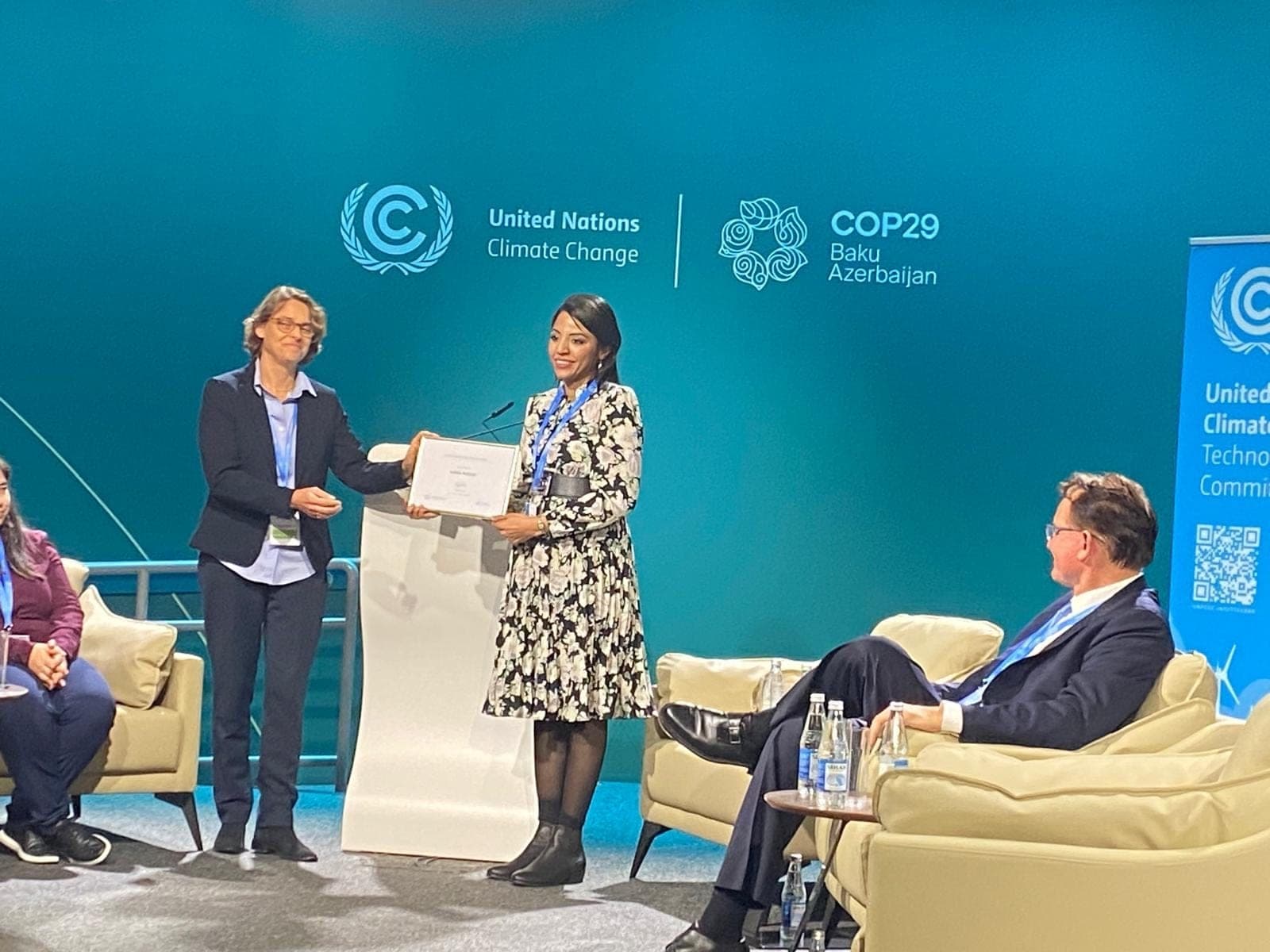
We caught up with Dr. Addison to find out more about herself, the submission that she led, her time at COP29 and what she plans to do next with the winning proposal.
Tell us about your day job, your professional background, and how you came to be interested in the climate space and in AI?
I am an educator, statistician, and researcher at The University of the West Indies (UWI) in Trinidad and Tobago. I am responsible for institutional models for student retention and tuition cost and I lecture several undergraduate and postgraduate statistics courses.
I also currently lead an AI in Climate Research Cluster, which focuses on innovative, data-driven solutions for climate resilience and disaster management. My professional journey revolves around creating data-driven solutions that bridge the gap between climate resilience and education.
Over the years, I have dedicated myself to fostering diversity in STEM fields and mentoring the next generation of leaders. My interest in AI and climate solutions stems from the urgent need to empower Small Island Developing States (SIDS) with tools to adapt to and mitigate the effects of climate change. The potential of AI to transform how we tackle these challenges deeply inspires me.
How did you find out about the Grand Challenge and why did you decide to participate?
I learned about the 2024 AI Innovation Grand Challenge through the LinkedIn pages for UN Climate Change and Enterprise Neurosystem. Their call for innovative solutions resonated with my passion for applying cutting-edge AI technologies to climate resilience. I decided to participate because I saw it as a perfect platform to amplify the vision of my research team (Patrick Hosein, Akil Hosang, Trevon Tewari, Tamia-Ashley Tuitt and Kris Manohar) to contribute to creating AI-driven tools that directly address the vulnerabilities of SIDS.
Can you outline what your proposal was focused on, and why?
Our winning proposal, “AI-driven Climate Resilience for Small Island Developing States (AI4SIDS),” focused on creating an AI-powered platform to enhance early warning systems in SIDS, which face disproportionate challenges due to extreme weather events, which cause devastating economic and social impacts.
AI4SIDS autonomously gathers and processes real-time data from IoT devices, social media, and weather reports to deliver timely, localized alerts via multiple channels. It is also set to provide educational resources in local languages, empowering communities to prepare for disasters. This solution addresses the urgent need for proactive disaster management and community empowerment in SIDS.
How did you find the evaluation process for the Grand Challenge? Did you learn from it?
The evaluation process was rigorous but insightful, with a mixture of written proposals, a video overview and final business pitch. The feedback at each level from the expert judges was quite motivating and helpful, also enhancing my understanding of integrating AI technologies effectively into a successful pitch for this multi channel platform.
It was a valuable learning curve that strengthened my approach to not only the AI-driven solution itself, but it also pushed my own skillset to become more entrepreneurial, and going beyond just the technical aspects of such a platform.
To know that AI4SIDS was the top selection from 114 other proposals from 62 countries was a humbling experience and I cried tears of joy. I believe all the teams who advanced to the finals benefited greatly from this experience as well, and overall we all can learn from each other to advance these solutions even further.
How did your live presentations go at COP29? What was the feedback?
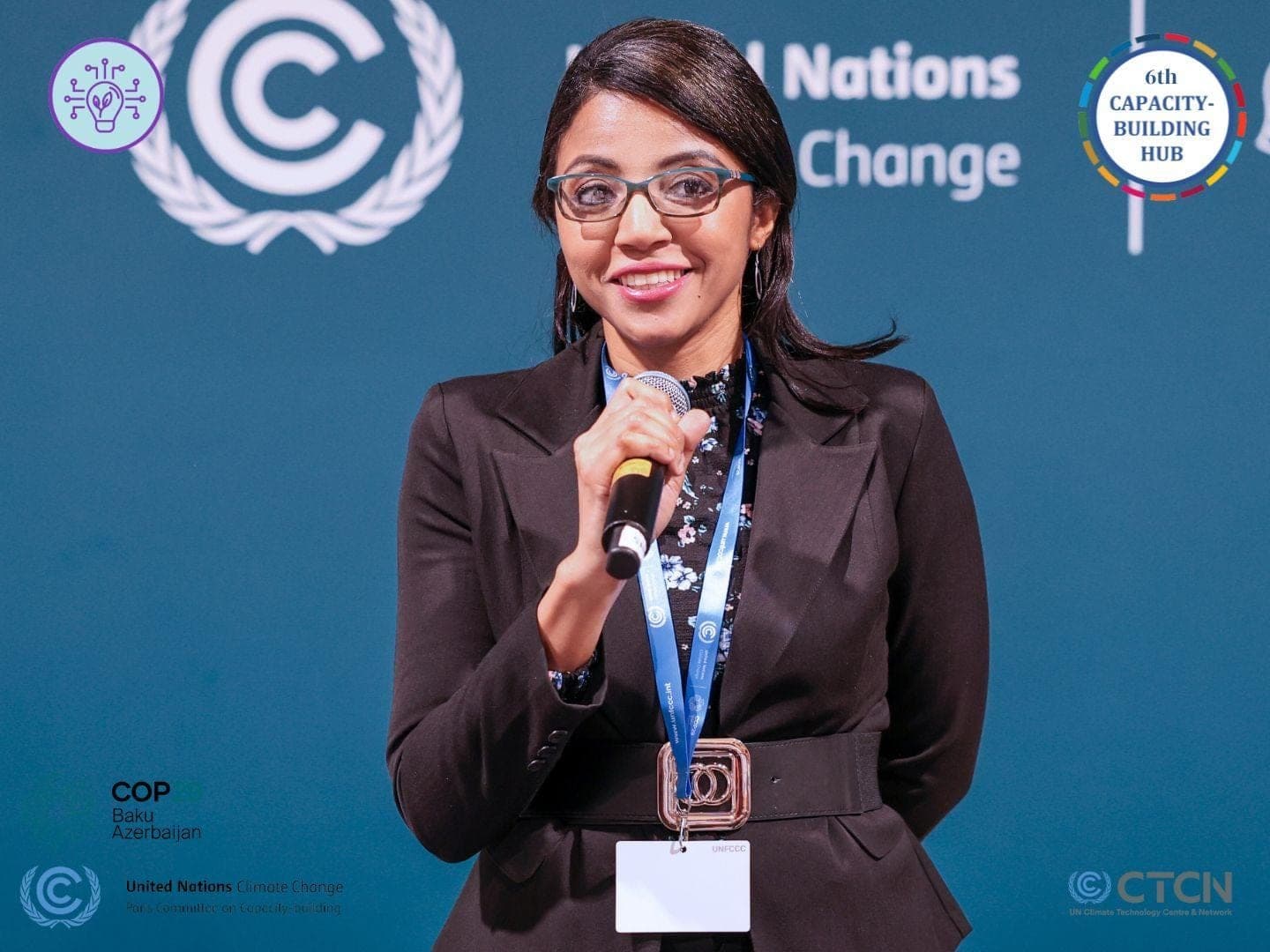
It was truly a great honor and an exhilarating experience to present the AI4SIDS proposal at COP29. I was nervous at first, but I was pleasantly surprised to receive positive feedback from all who attended, including the UNFCCC TEC team and those from the Enterprise Neurosystem.
The live presentation during the “Capacities for Climate Innovation: Artificial Intelligence” session was met with enthusiasm. Delegates appreciated the practical application of AI in tackling SIDS-specific climate issues, and their feedback validated the potential impact of our platform. I received numerous questions and positive reactions, which reinforced the importance of our work.
What was your overall experience of attending COP29? Were there any specific sessions or speakers that stand out?
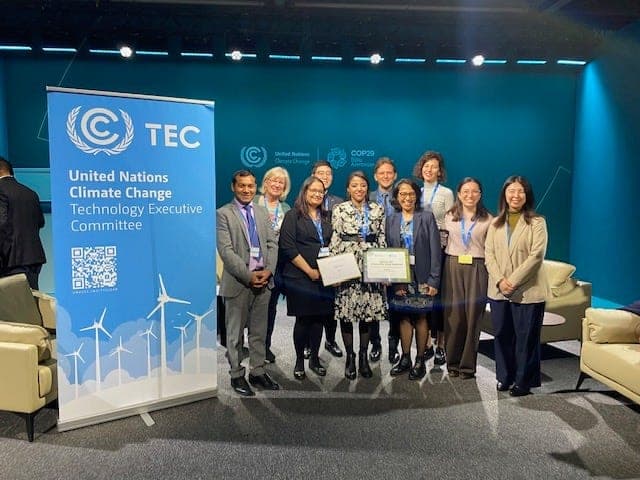
Attending COP29 in Baku, Azerbaijan, was a transformative experience. I was inspired by the diverse range of sessions and speakers, particularly those focused on climate innovation and technology. Sharing the stage with other leaders in the AI and climate space highlighted the collective effort needed to combat climate change. It was a true privilege to be part of a global dialogue on sustainable solutions.
How useful was COP29 attendance to you in taking your Grand Challenge proposal forward?
COP29 provided an unparalleled platform for networking and collaboration. Engaging with policymakers, researchers, and industry leaders offered valuable insights and opportunities to expand AI4SIDS. The exposure at such a prestigious event boosted our proposal’s visibility and opened doors for potential partnerships that will be essential for scaling our solution.
What advice would you give to others looking to attend COP30?
My advice for those considering COP30 is to prepare thoroughly and focus on networking. Have a clear message and objective for attending, and be ready to share your ideas passionately. Engaging with others and seeking feedback is crucial. COP events are not only about presentations but also about building relationships that can propel your work forward.
How are you looking to benefit from your Enterprise Neurosystem prizes and connections to turn your proposal into a reality?
I am extremely grateful that winning the Grand Prize is a definite game-changer. The resources and mentorship provided by Enterprise Neurosystem are pivotal in accelerating the development and implementation of AI4SIDS. My team and I aim to leverage these computing credits and connections to enhance our platform’s capabilities and ensure its sustainability.
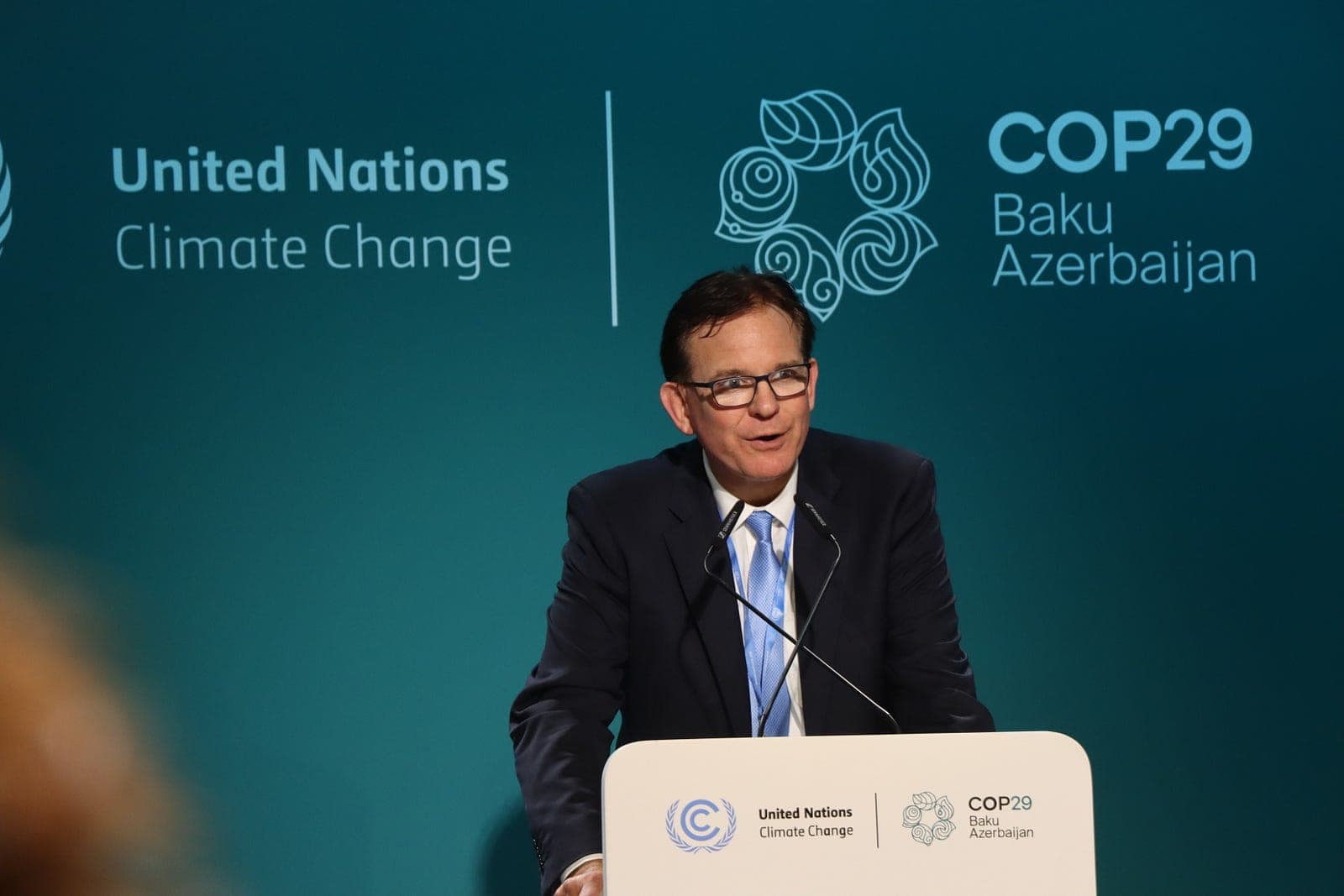
I would like to sincerely thank Bill Wright and his wonderful and competent team at Enterprise Neurosystem for their hard work and dedication to providing resources to make this vision a reality and for the UNFCCC TEC’s continued support to bring these initiatives to the forefront of global conversations.
What are the next steps in that reality for your project and what other near-term help are you seeking?
The next phase for our project is to transition from conceptualization to implementation by building a robust platform to address specific regional vulnerabilities, refining its predictive algorithms, and ensuring that the communication systems meet diverse cultural needs.
Thereafter, our next steps involve scaling AI4SIDS to pilot it across multiple SIDS regions. Near-term, we seek collaborations with governments, NGOs, and tech partners to expand our reach and impact. Funding and technical expertise will be critical in turning this vision into reality and I look forward to continued support in this venture.
Note: Photos by Dan Doyle.