
Uganda
A national AI sensor network, from the mountain gorillas of Bwindi to the shores of Lake Victoria.
Origins
A partnership born at COP 29
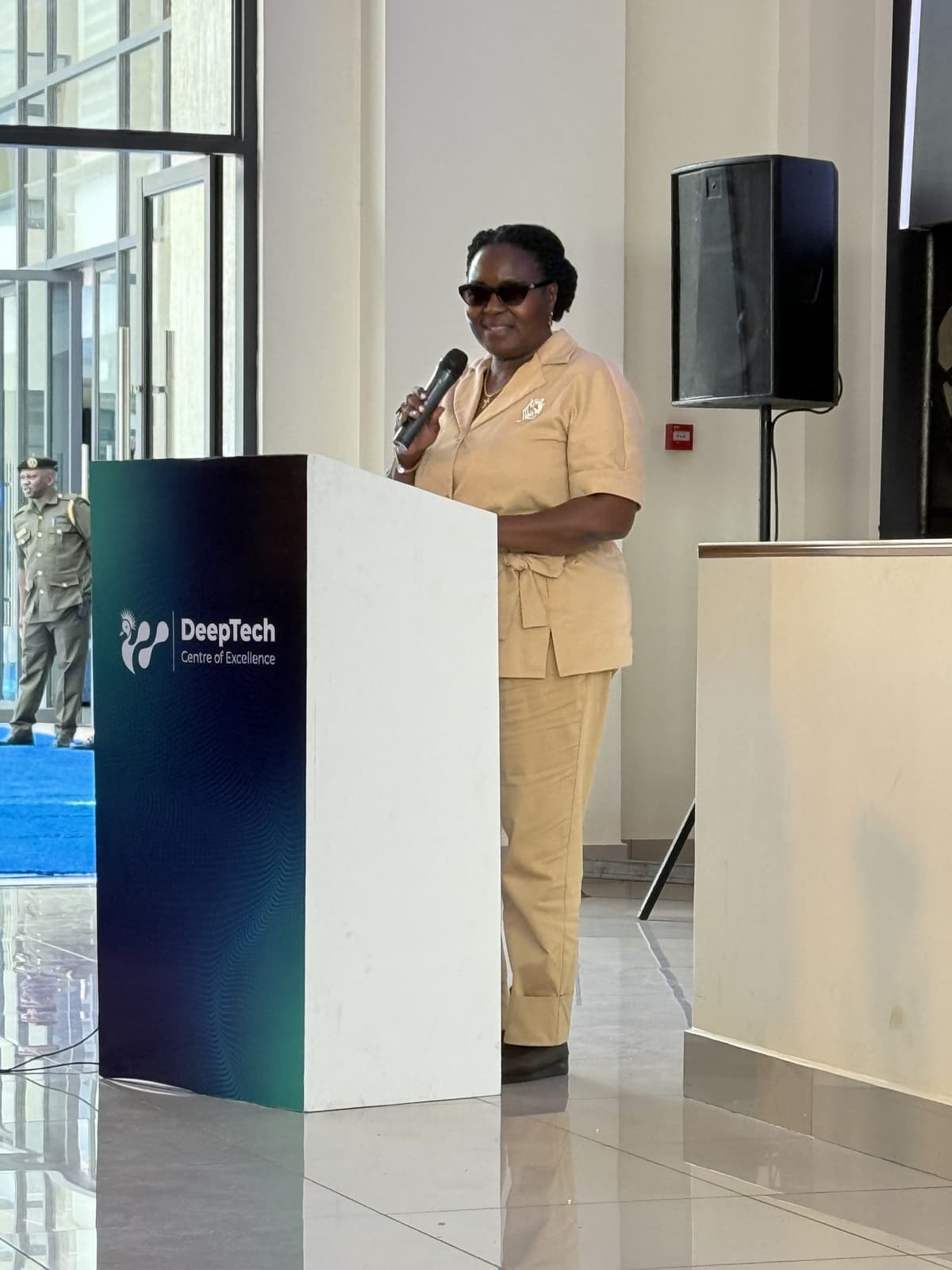
Uganda's Chief Scientist contacted the Enterprise Neurosystem following a UNFCCC panel discussion at COP 29. Uganda's Ministry of Science, Technology and Innovation (STI) was formed by the Presidency to drive a stronger economic foundation through advanced technology. The country now has an electric bus factory and lithium battery production coming online, with materials largely sourced in-country and powered by 100 percent renewable energy.
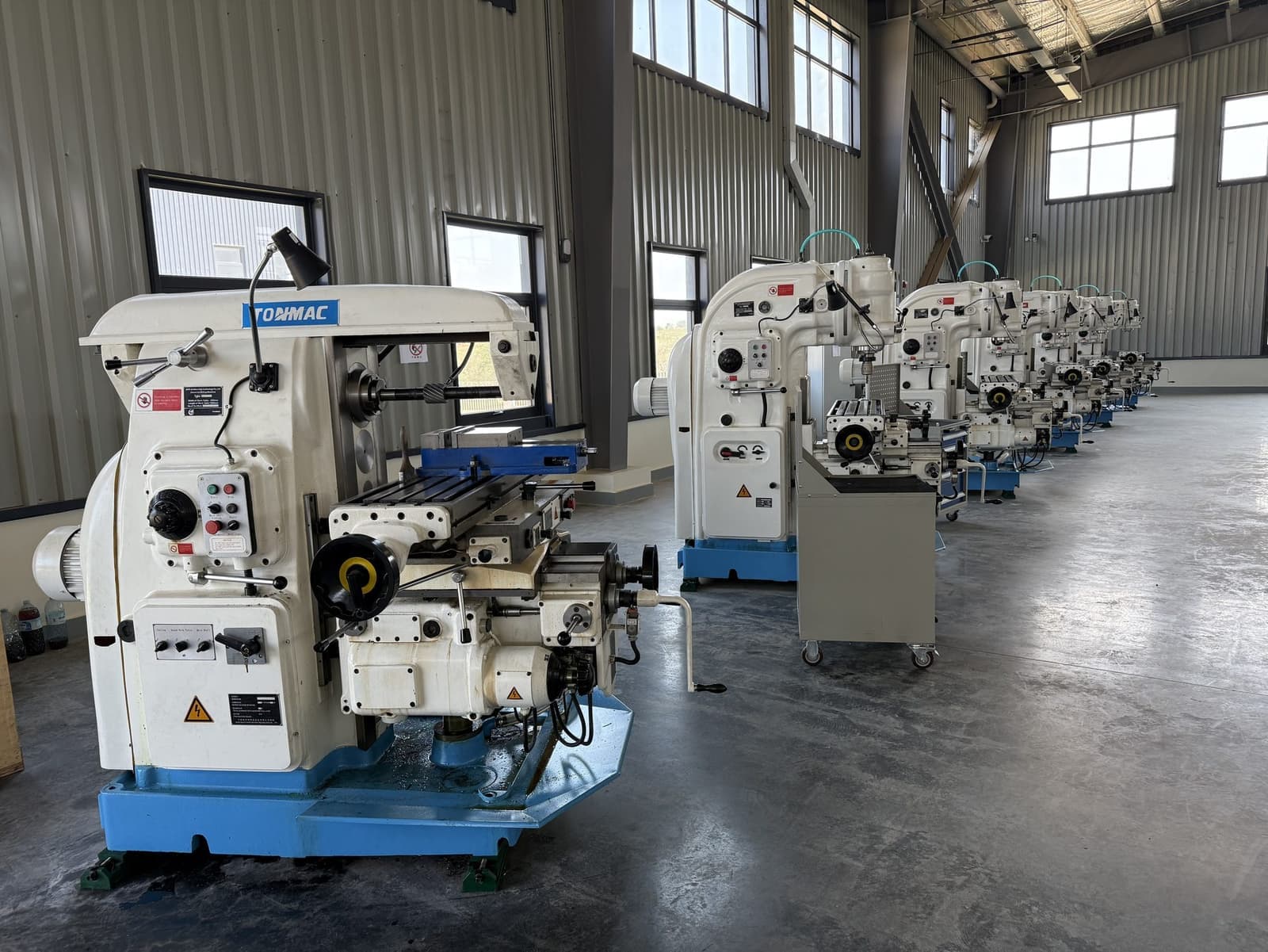
The STI's mandate spans four economic enablement projects: an AI LLM foundation model, cloud data centers, a climate change early warning system, and advanced IT training. A national network of environmental sensors, developed in partnership with the Enterprise Neurosystem and JPL/Caltech, has been approved for funding by the Minister of STI.
Bwindi Impenetrable Forest
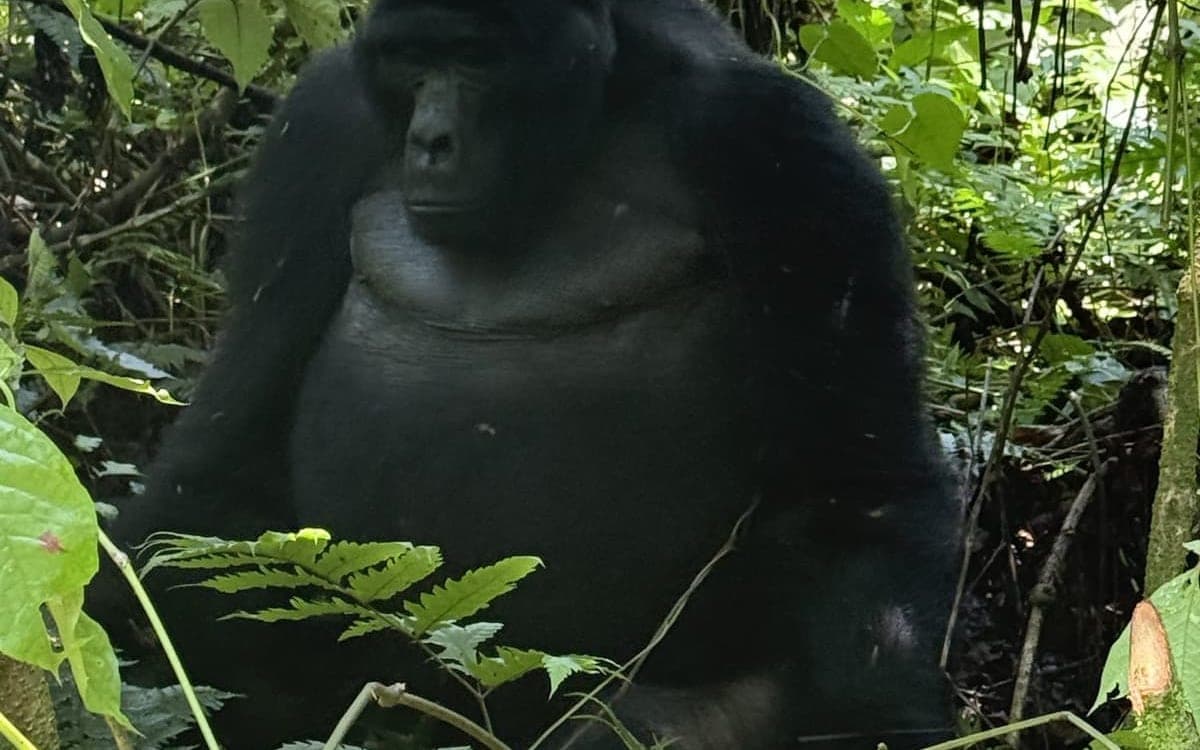
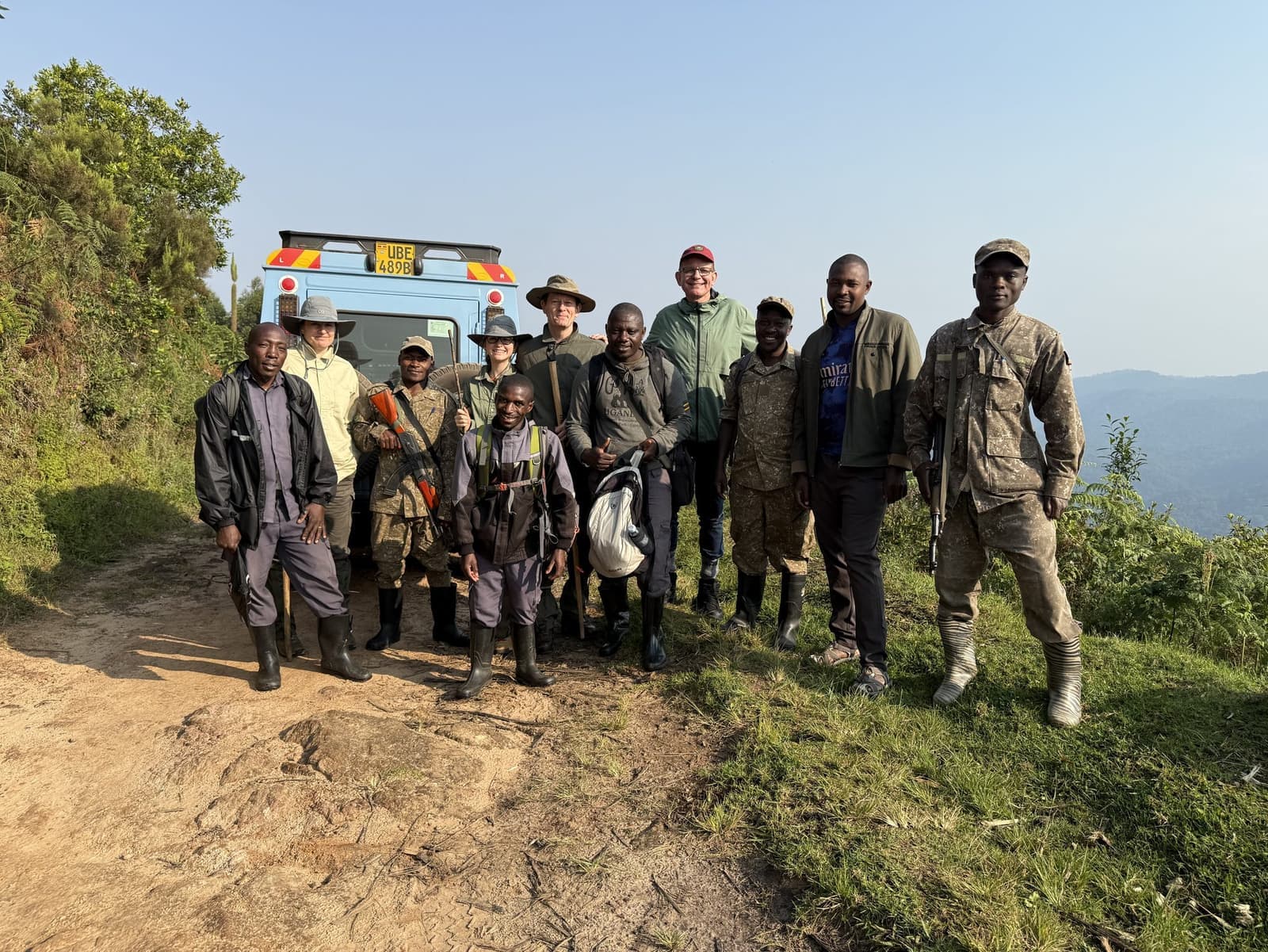
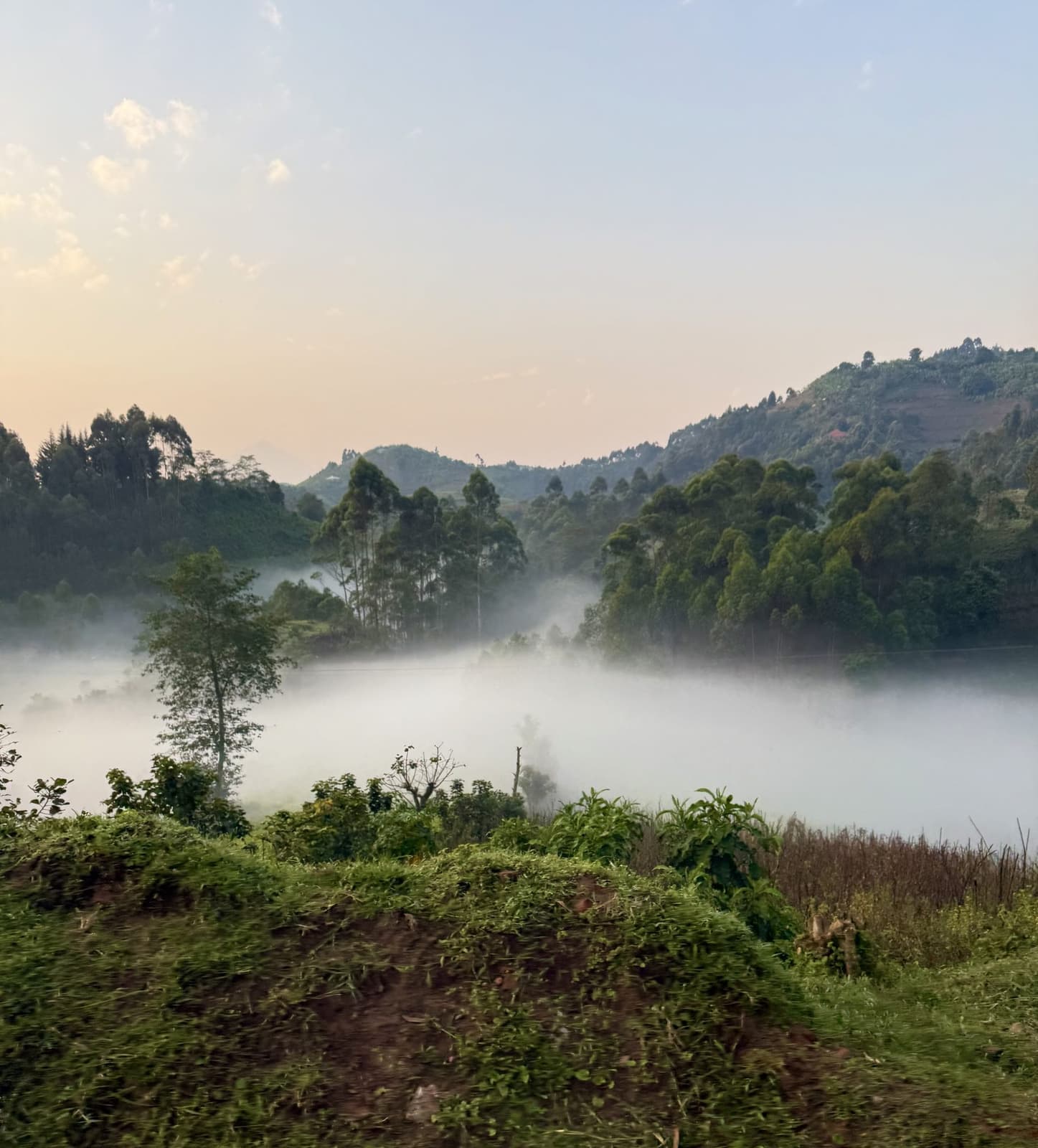
The Enterprise Neurosystem team visited Uganda for government meetings with the STI Ministry, and toured the Bwindi Impenetrable Forest and its mountain gorillas. It quickly became evident this area would be an ideal site for a sensor monitoring project.
Bwindi is now proposed as the first site for a national AI sensor network to monitor environment and resources, through advanced sensor development and deployment. JPL/Caltech and the Enterprise Neurosystem are codeveloping these capabilities with Ugandan universities and scientists.
Lake Victoria
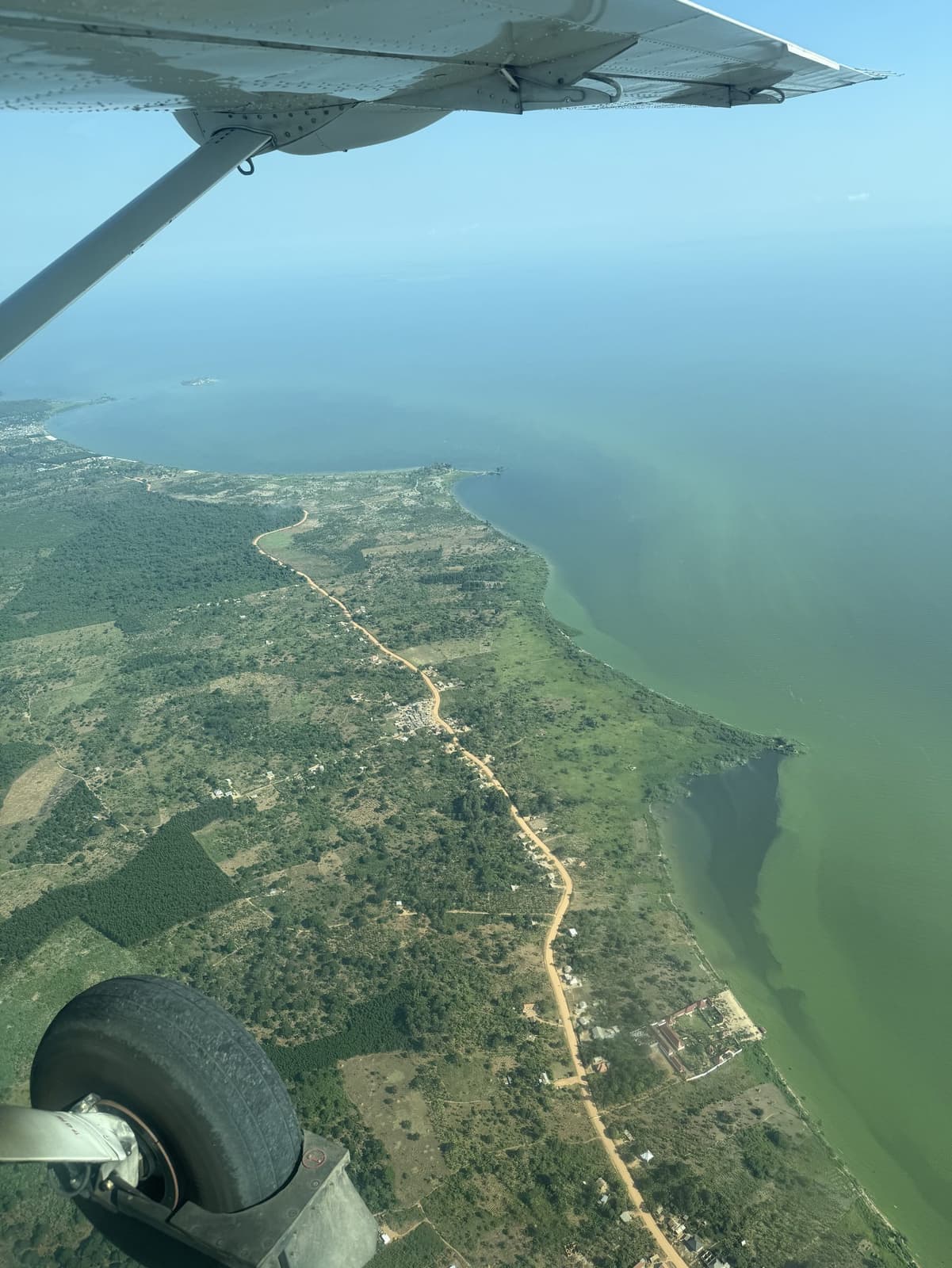
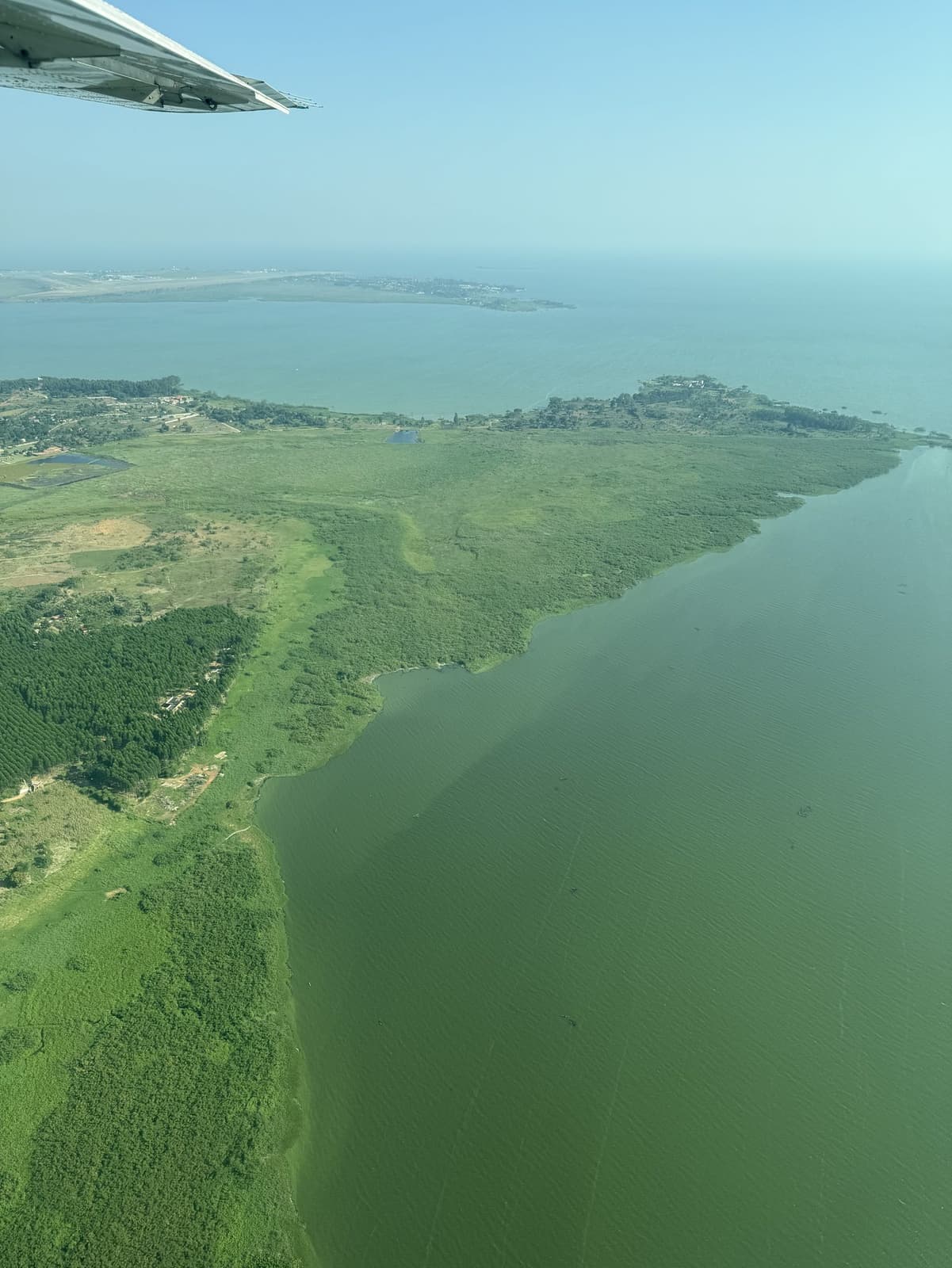
Millions of Africans rely on Lake Victoria for fresh water, agriculture, and power. It is the heart of the Nile River, which in turn supports agriculture across Egypt and Sudan. Sewage, climate change, and agricultural runoff have led to algal blooms that create "dead zones" for marine life.
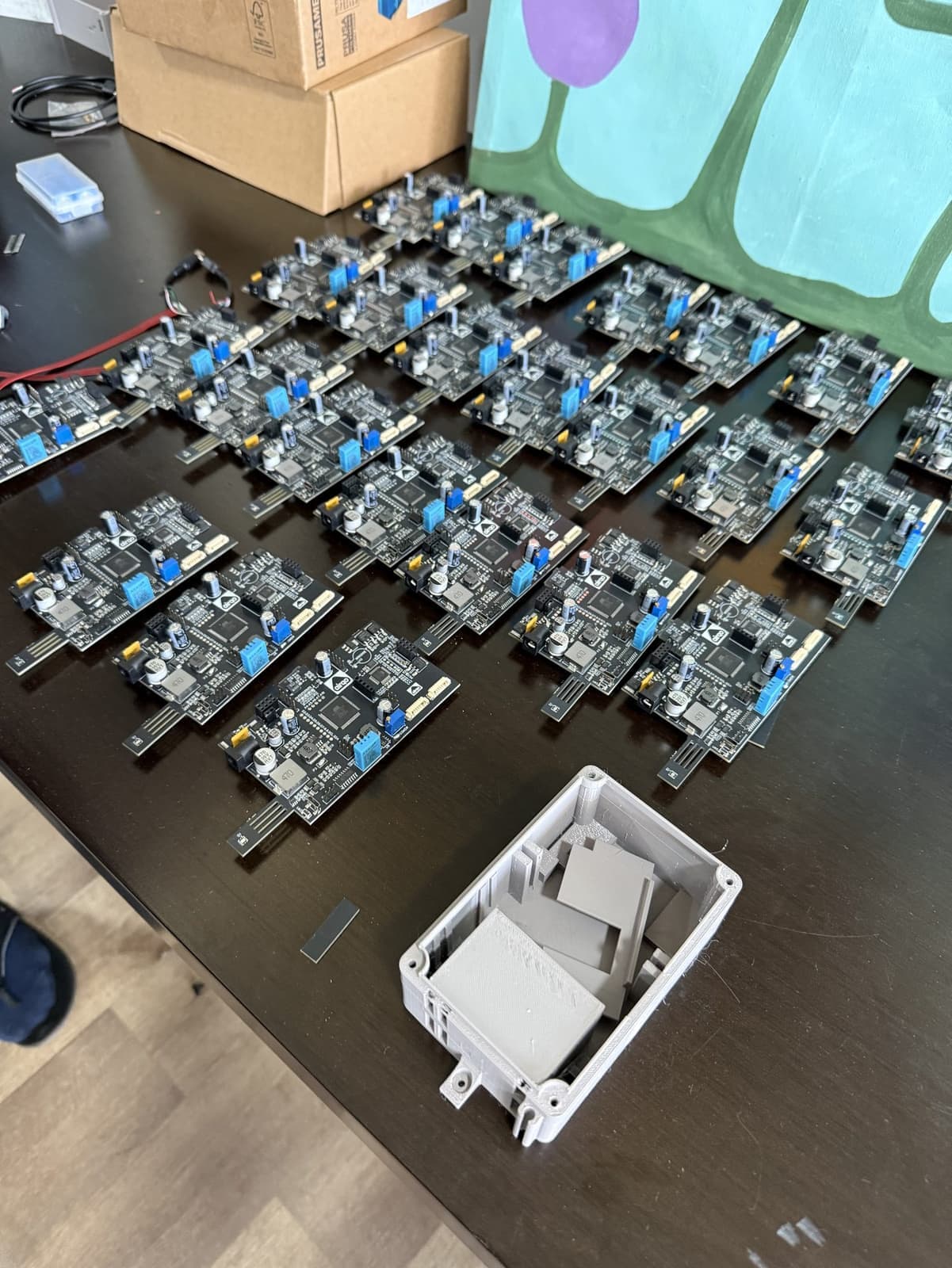
Uganda's Space and Aeronautics Ministry proposed a robotic sensor with AI capabilities to monitor the lake. The Enterprise Neurosystem has been engaged to develop this project: a full-stack architecture has been designed for the AI infrastructure, and sensor design and implementation are now underway.
In this arrangement, JPL/Caltech partners on sensor and network technology design and knowledge transfer, and Makerere University partners on environmental sensor and AI model design.
The economic benefits are immediate: water and agriculture security, and wide-scale species preservation. And because Uganda now has deep manufacturing capabilities, it will manufacture the advanced sensors required for a global environmental analysis network.
Objective
The National Network Effect
Lake Victoria and Bwindi will be networked together, providing a unified frame of analysis. In time, agricultural regions, forests and wetlands across the country will be added — thousands of ecosystems and impacts charted in real time.
This network effect is managed by Uganda. The data remains in Uganda, and can be shared for scientific and business value on Uganda’s own terms.
The Atomic Language Model
Developed with the Uganda Crane AI team and the Enterprise Neurosystem, it's a sustainable alternative to power-hungry, compute-heavy large language models.
50KB
Model size. Built on Ugandan (Bantu) languages
Non-GPU
Runs on standard chipsets and small IoT devices such as sensors, Raspberry Pi, 2G phones
UOR
Based on mathematical principles popularized by the UOR Foundation, driving greater AI efficiency
Larger LLMs present real issues in power consumption and raw compute requirements. Their climate impact and business model are unsustainable at global scale. The Atomic Model is a working alternative, already deployed in the field.