Dangermond Preserve
The first US deployment of the Enterprise Neurosystem architecture — a global data fabric integrating satellite data, atmospherics, ground sensors and multi-species analysis, in partnership with JPL/Caltech.
Origins
From a UN University event to a JPL partnership
The JPL and Enterprise Neurosystem engagement began at a United Nations University event in Bonn, Germany. Meetings were then held at JPL/Caltech and NCEAS to discuss the Enterprise Neurosystem concept and architecture.
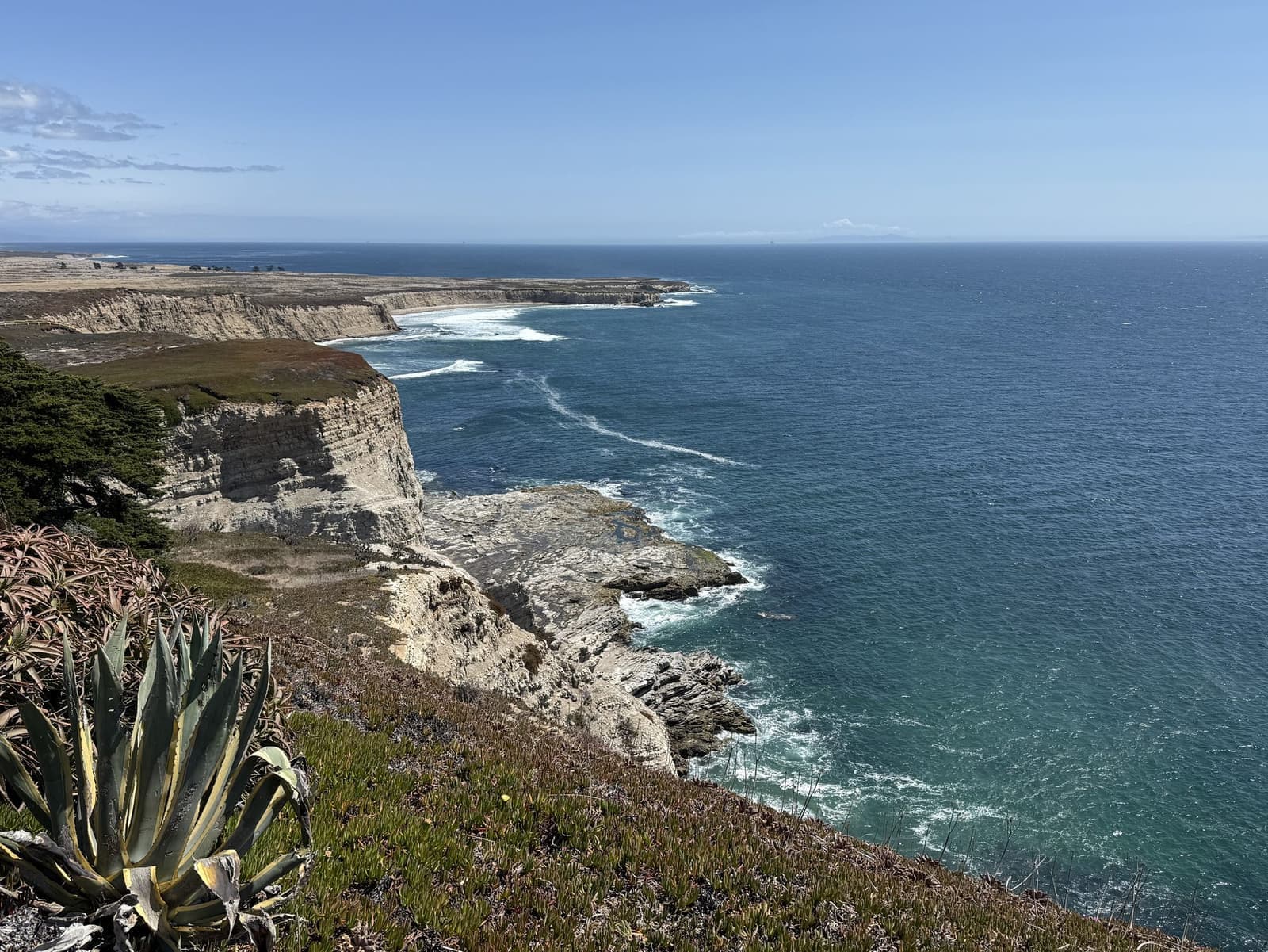
The Jack and Laura Dangermond Preserve, on the California coast in Santa Barbara County, will be the first deployment of the EN architecture in the US, incorporating integrated satellite data, atmospherics, ground sensors and multi-species analysis into a global data fabric and API integration framework, imbued with AI cross-correlation. Applications extend to Earth analysis and planetary exploration.
A global data fabric
Decades of imagery, cross-correlated in real time
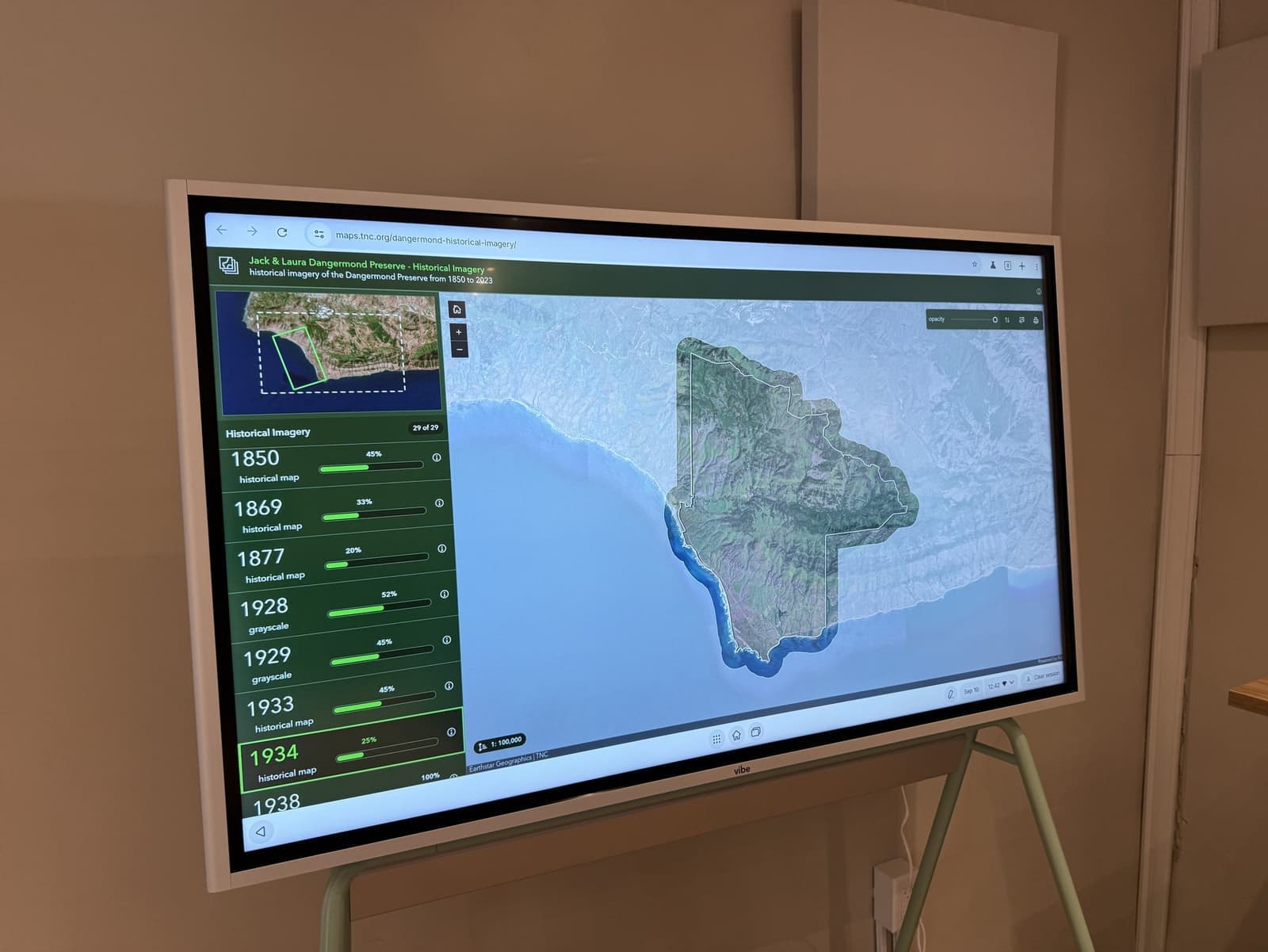
The Nature Conservancy’s historical imagery tool for Dangermond already lets researchers step through the preserve’s land cover from 1850 to today. The Enterprise Neurosystem architecture builds on top of infrastructure like this, layering in live satellite, atmospheric and ground-sensor data so historical context and real-time conditions can be cross-correlated by the same AI instance, the same way the Uganda deployment ties Bwindi and Lake Victoria into one frame of analysis.
Executive sponsor
David Schimel, JPL
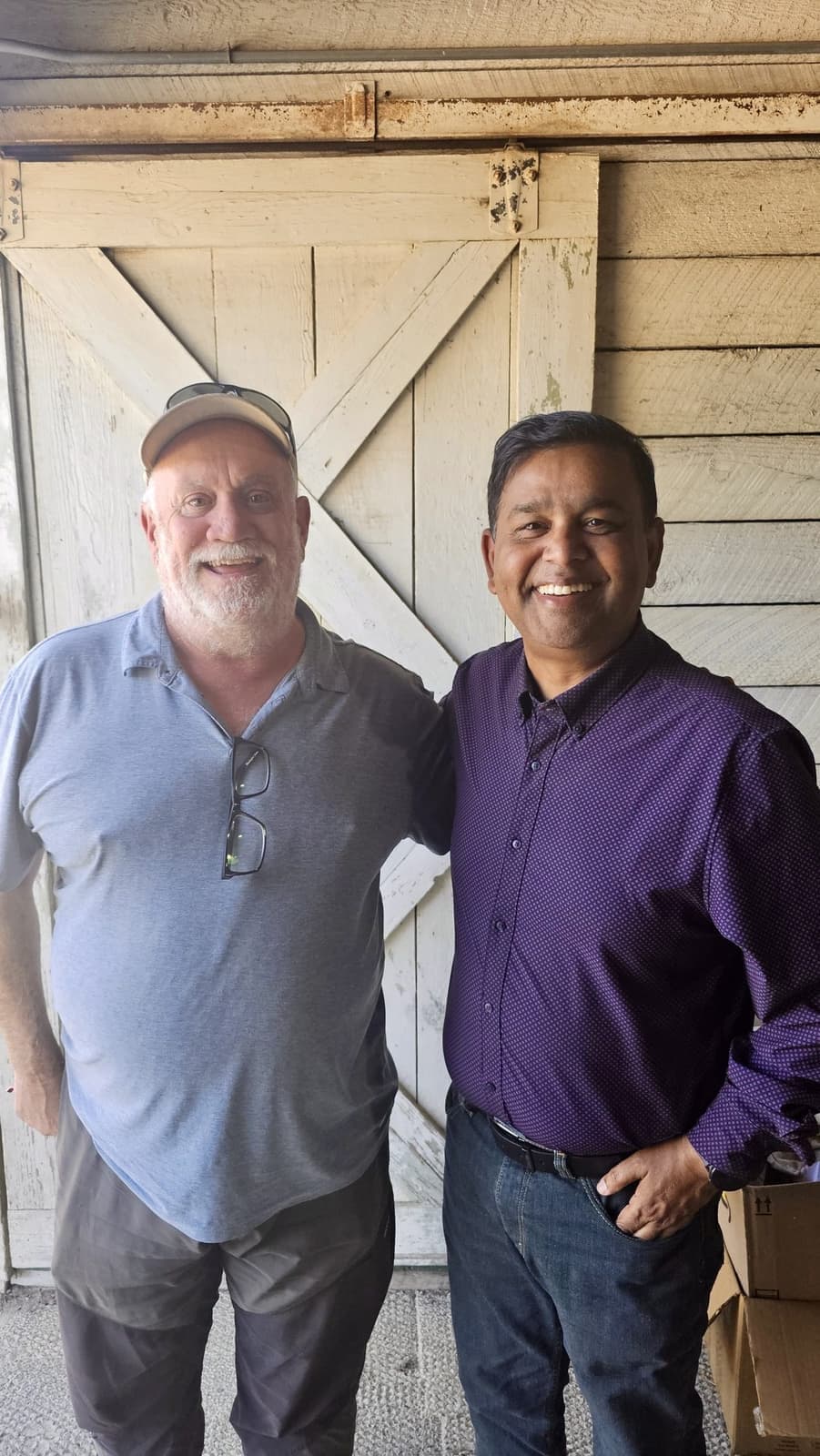
David Schimel (Nobel Peace Prize) is the JPL executive sponsor for this project, pictured here with Ravi Sinha.